
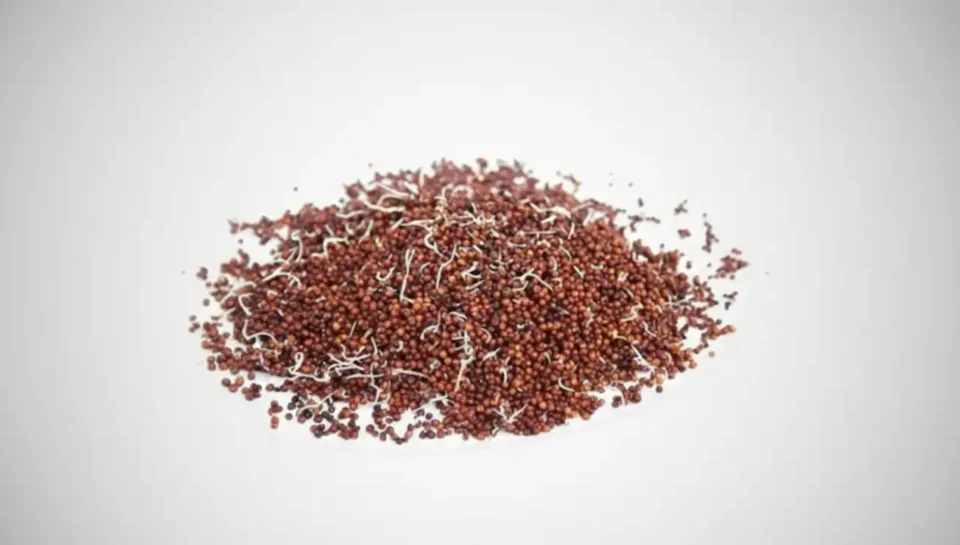
Staring at the aisle and making a choice between sprouted and unsprouted ragi? With its calcium content and all, ragi has always been considered one of the nutritious millets of India, at least until recently, when there has been much fuss over sprouted ragi as an alternative, being more nutritious and/or digestible.
Both come from the same grain, but how ragi is processed seems to make a lot of difference in the manner in which nutrients are taken up and utilized by the body. Knowing the nutritional as well as functional difference between sprouted and unsprouted ragi will help make better dietary choices. Read on.
Understanding Ragi And Its Natural Form
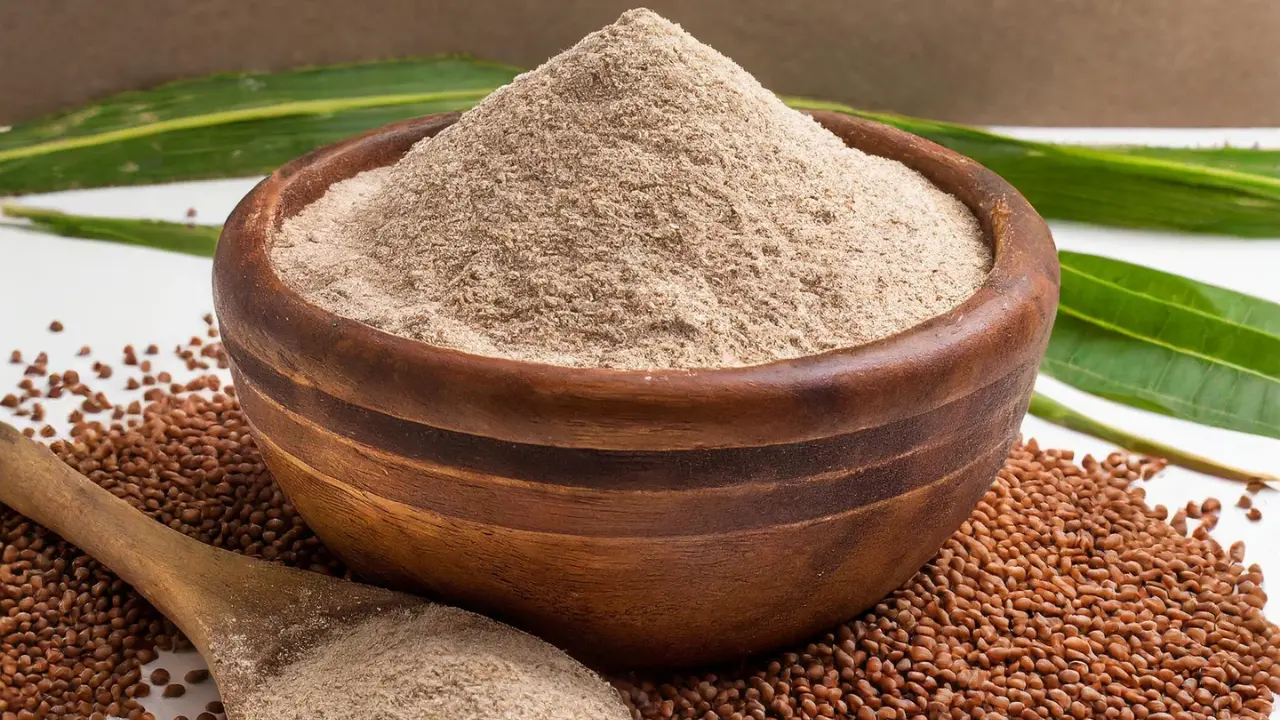
In simple words, unsprouted ragi is generally available at any home in India, and you are probably aware of it as well. It happens to be rich in minerals such as calcium, iron, dietary fiber, and essential nutrients like acid. However, it does contain some natural compounds, though a little, that reduce mineral intake as well.
What Changes When Ragi Is Sprouted?
Sprouting is a natural process in which the grains of ragi are soaked in water, allowed to sprout, and then dried again. This sprouting activates the enzymes present in these grains. It makes ragi easily digestible, besides increasing the nutrient uptake by the body, while making the nutrients in the body easily accessible.
Key Differences Between Sprouted & Unsprouted Ragi
| Aspect | Unsprouted Ragi | Sprouted Ragi |
| Digestibility | It takes longer to be digested. | Easier on the digestive system. |
| Nutrient Absorption | Minerals are often absorbed slowly. | Improved mineral bioavailability. |
| Fibre Content | Naturally High. | Slightly reduced but more functional. |
| Energy Release | Slow and steady. | More efficient energy utilization. |
| Suitability | Good for regular diets. | Better for children, elders, and active individuals. |
| Taste and Texture | Earthy and dense. | Milder and smoother flavor. |
Sprouted or Unsprouted Ragi: Which One Is Healthier?
Both ragi types are healthy, but in terms of which one is better, they can be classified as follows:
- Unsprouted ragi is best used when one needs continuing fullness with a stable level of energy.
- Sprouted ragi is best used when one needs good digestion, optimal absorption of nutrients, and light meals. It is best used when one is growing older or has digestive problems.
Final Thoughts
Both ragi types are nutritious, but sprouting enhances digestibility and mineral absorption. Whether you prioritize sustained energy or nutrient efficiency, Millettree offers balanced, thoughtfully processed options to suit your modern lifestyle.