
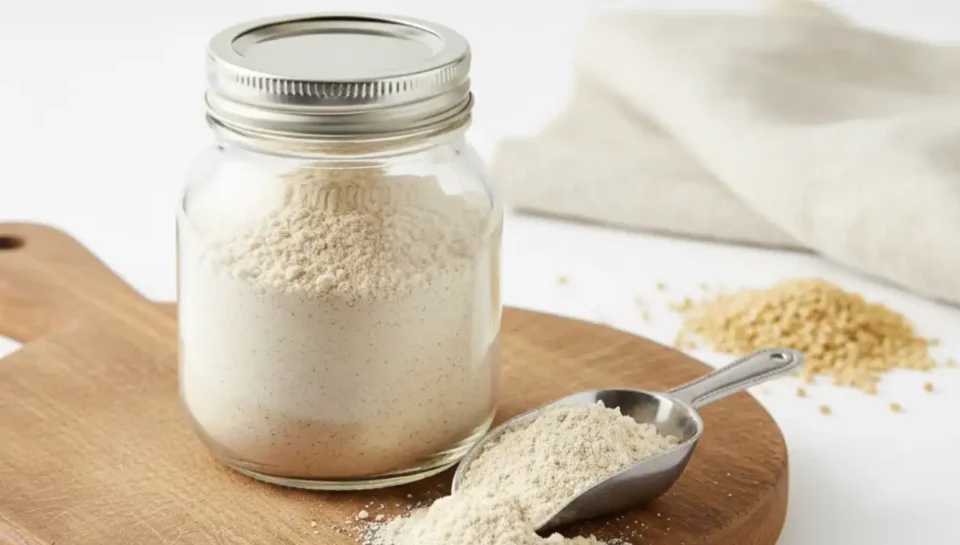
As the temperature drops and winter draws near at your doorstep, the body itself searches for foods that are warm, energising, and have better digestive properties. This is why the winter diet has always seemed more wholesome than the summer diet. Bajra, or pearl millet, has long been a part of the winter diet, and roasting it before grinding it into flour makes it even more appropriate for the winter diet. Although roasted bajra flour is not a new health food trend but a healthy meal rooted in tradition. Now, let’s see why bajra flour is a superfood.
Understanding Bajra & Its Winter Connection
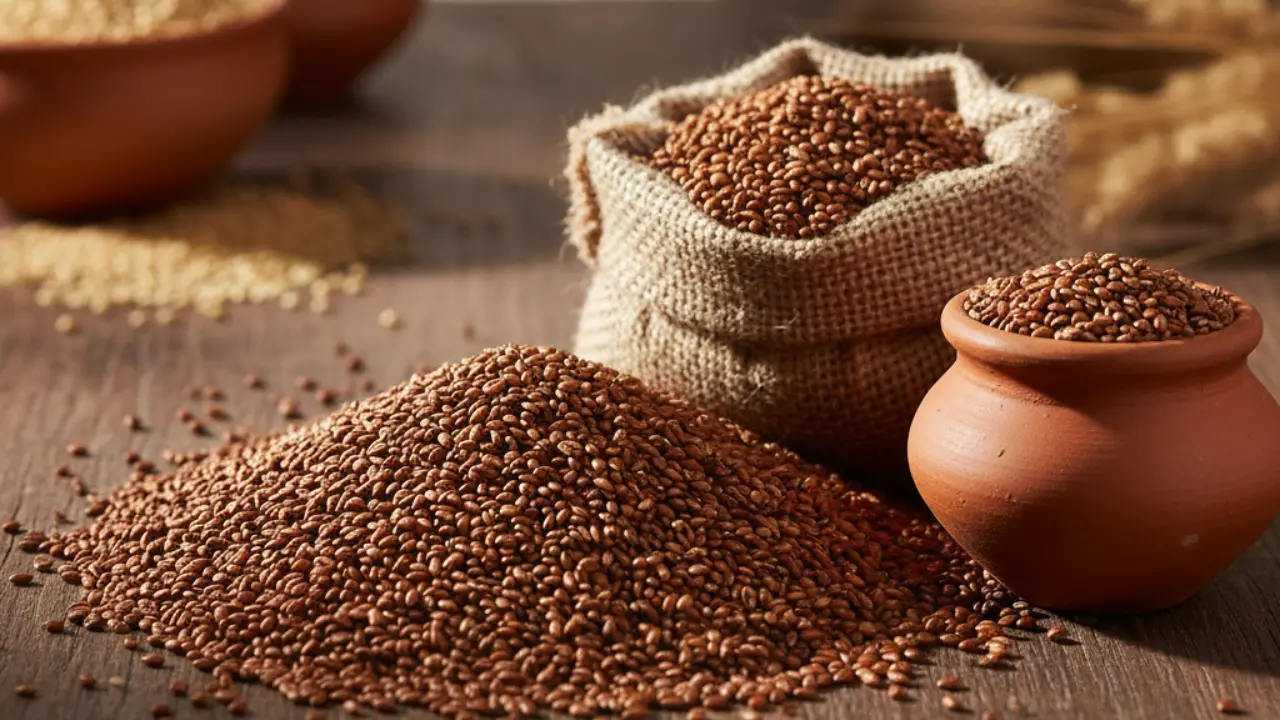
Bajra is a hardy millet that grows in dry regions and is more commonly consumed during winter. It is naturally dense and heavy in nutrition, making it good for times when the body needs extra fuel to fight the cold and sustain energy. During winters, digestion tends to become a little slow, and the body can easily tolerate heavier grains like bajra, which may be too heavy during summer.
What Does Roasting Do to Bajra Flour?
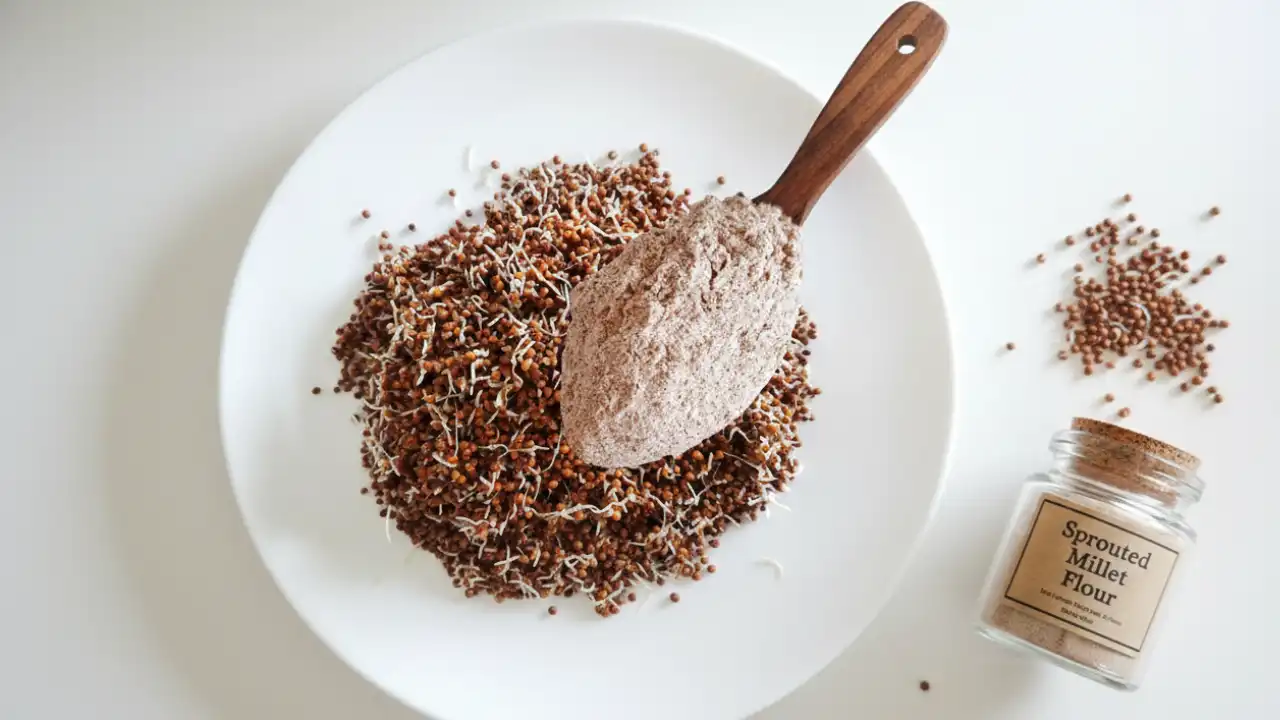
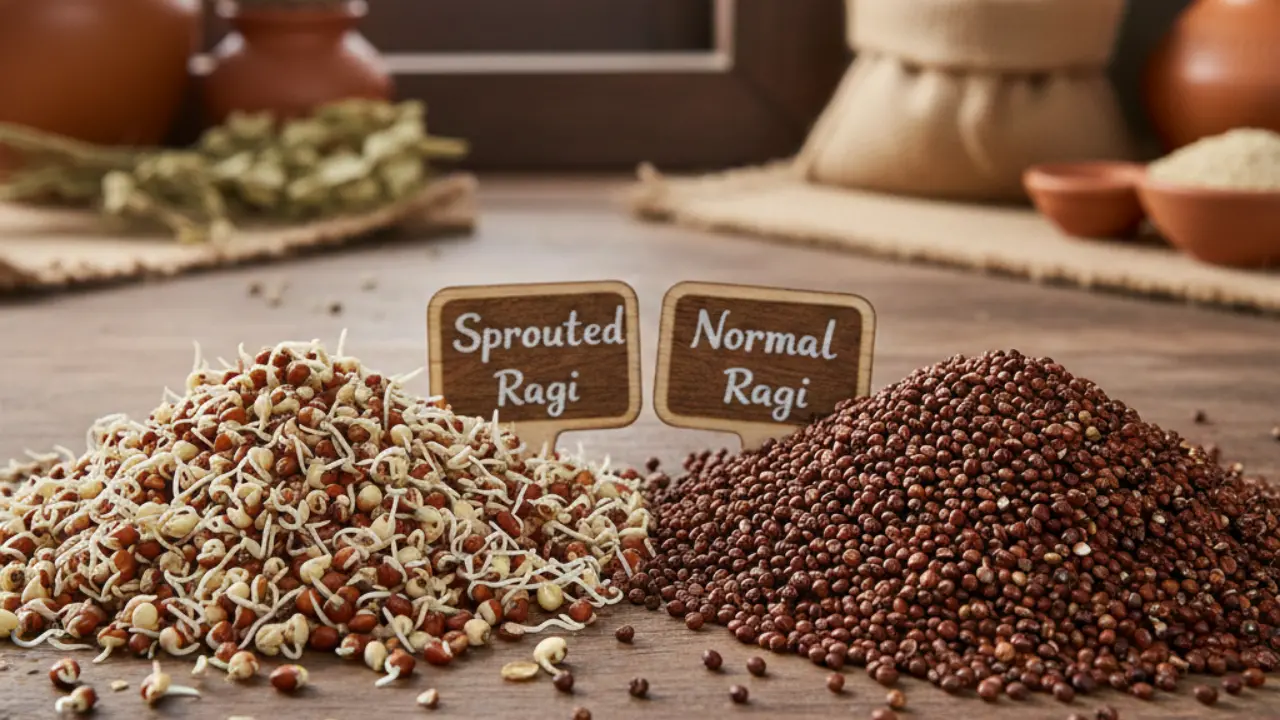
Roasting the grains before grinding them into flours is a simple yet significant step. This process alters both the texture and digestibility of the grain. Roasting helps by:
- Reduce the raw heaviness of bajra
- Developing its nutty flavour and aroma
- Improving shelf life during winter
- Making the flour easier to digest
This traditional way of preparing the flour ensures that it is warming and nourishing, not dense or hard to digest.
Key Nutritional Benefits of Roasted Bajra Flour in Winter
Roasted bajra flour supports winter health because of its nutrient composition and warming nature. Its benefits include:
- Iron content, which enables circulation and warms up the body.
- Complex carbohydrates serve as a source of slow, steady energy
- Dietary fibre, which helps with digestion during heavier winter meals
- Natural heat-producing properties maintain body temperature.
All these put together make roasted bajra flour especially effective when the body needs not just nourishment but sustained nourishment.
Digestive & Metabolic Support in Cold Weather
Winter is a period of low physical activity and slow digestion. Roasted bajra flour helps the digestive system by:
- Feeling lighter than unroasted bajra
- Avoiding the occurrence of bloating
- Helping the body process dense winter meals more comfortably
Additionally, since roasting prepares the cereal to an extent, it makes the digestion process more pleasant.
Takeaway
Roasted bajra flour can be considered a superfood of the winter, as it aids the needs of the body in maintaining warm temperatures, a consistent supply of energy, and effortless digestion. It can thus be considered an implementation of traditional food wisdom, as it perfectly relates to the winters compared to other food alternatives.