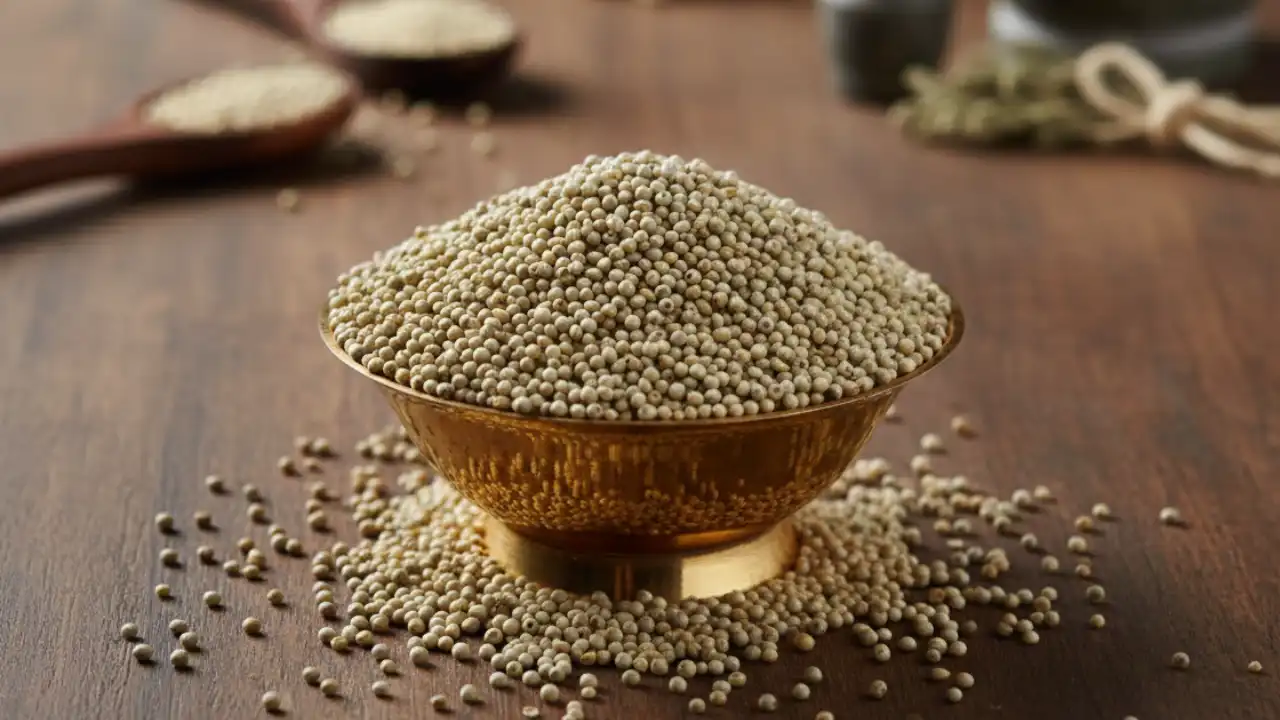

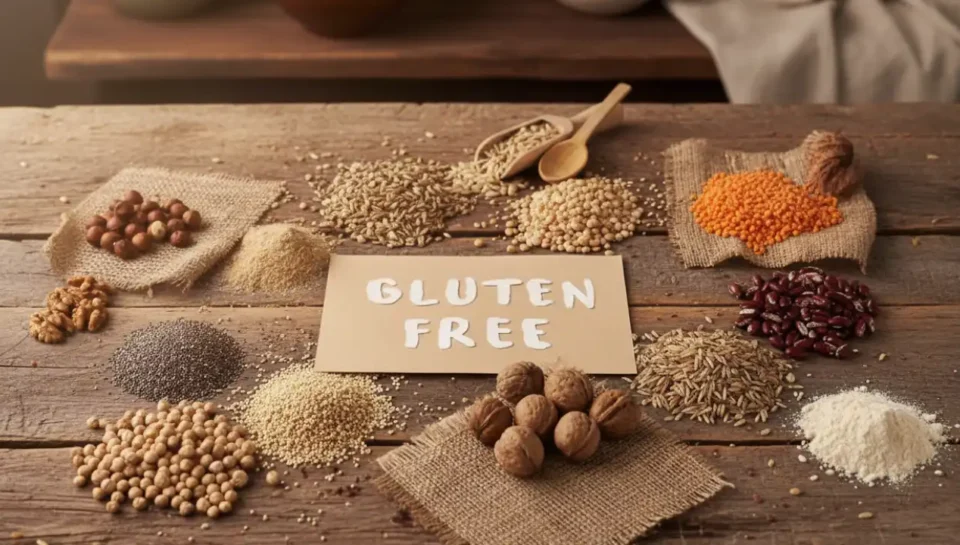
Need gluten-free meals? Gluten-free eating around the world is no longer limited to medical necessity. Which leads to more people rethinking their diets due to digestive problems, lifestyle disorders, and an emerging preference for natural foods. In this shift, millets withstand, not as a new discovery, but as a return to something deeply familiar.
Long before packaged gluten-free flours entered supermarket shelves, Indian households relied on millets for everyday body nourishment. Nowadays, they are re-entering the market as a practical and sustainable choice to gluten-free eating. Let’s explore the reason that makes it a vital option for a healthy lifestyle.
Understanding Gluten-Free Diets
Having a gluten-free diets mean avoiding proteins found in wheat, barley, and rye. To shine a light on India, wheat almost dominates every household meal, which makes it restrictive for many. Here are some common challenges:
- Dependence on refined gluten-free flours
- Limited nutritional value in packaged substitutes
- Difficulty maintaining long-term dietary balance
This creates a clear need for a gluten-free option that fits Indian food habits rather than replacing them.
What Makes Millets Naturally Gluten-Free?
Millets are usually gluten-free grains, which means it does not require any processing or modification to remove the gluten. Here are the reasons why:
- They are naturally safe for regular and long-term consumption.
- They also retain their nutrients and fiber.
- They avoid the additives common in processed gluten-free foods
Unlike packaged refined alternatives, millets remain close to their original form.
Nutrient Strength of Millets
The real reasons why millets are shaping the future of gluten-free diets are due to their nutritional depth. Compared to many gluten-free refined flours, millets offer:
- High dietary fiber for good digestion and feeling full
- Essential minerals such as iron, calcium, and magnesium
- Complex carbs that provide a slow release of energy
Actually, they can be used not only as gluten-free, but also as a healthy diet in general.
Digestive Health Beyond Gluten-Free
adding gluten free meals to your diet does not mean better digestion, but millet supports gut health because it has:
- Encourage healthy bowel movement due to fiber
- Feel lighter than wheat when eaten seasonally
- Reduce reliance on ultra-processed foods
Many people find millets easier to digest when digestion feels sensitive or sluggish.
Sustainability and Food Security in India
Not only do millets promote healthy bodies, but they also promote healthy soils. The relevance of millets in the future of the world will be based on:
- Low water requirements compared to rice and wheat
- Ability to grow in dry, climate-stressed regions
- Support for local farmers and traditional agriculture
That is why millets are a critical strategic crop for securing India’s food supply.
Final Perspective
For a healthy lifestyle, millets are the future of gluten-free diets in India because they fix multiple issues at once. They are naturally gluten-free, nutritionally rich, and more. Rather than replacing food culture, millets strengthen their place, making them a healthier gluten-free choice.